BigCommerce Platform Capabilities
Platform features that drive real revenue
BigCommerce ships powerful features by default. Your results depend on how those features are configured, extended, and connected to your operation. Redefine builds the implementation layer that turns platform potential into measurable growth.
40+ BigCommerce projects completed · brands across retail, B2B, and wholesale

Where the platform work lives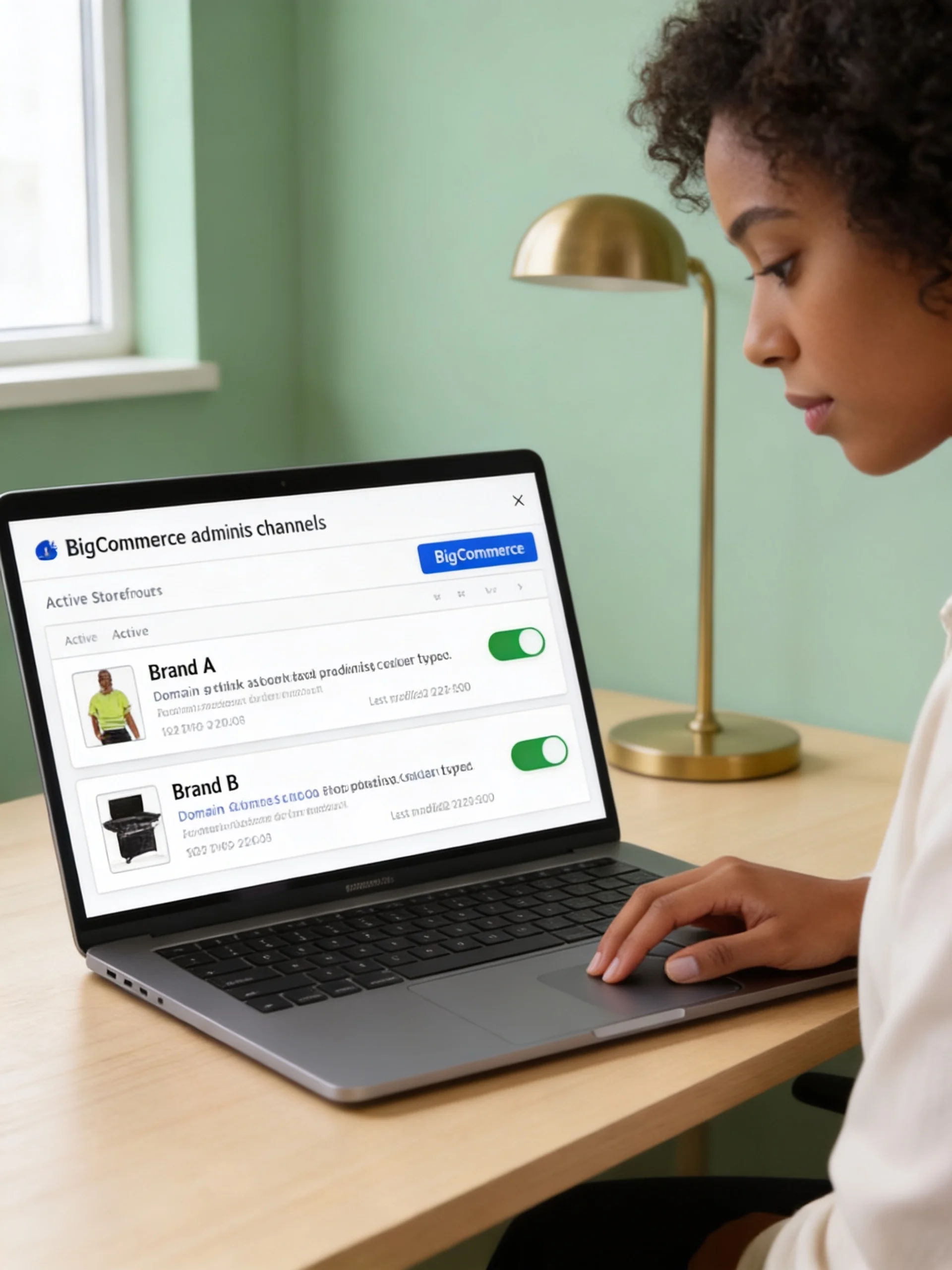
Your complete BigCommerce capability map
Every platform-layer capability Redefine builds for BigCommerce merchants, organized so you can navigate directly to what your store needs next.
BigCommerce HubPlatform Capabilities Hub
Featured
Capability
BigCommerce Multi-Storefront Development
Run multiple branded storefronts, regions, or B2B channels from a single BigCommerce instance. Reduce overhead. Unlock new markets without duplicating your stack.
Explore Multi-Storefront
BigCommerce Theme Development
Custom Stencil theme builds, performance-first overhauls, and brand-aligned redesigns that convert browsers into buyers.
View Theme Work
BigCommerce App Development
Private and public app builds using the BigCommerce API. Custom functionality that the marketplace cannot deliver out of the box.
View App Work
BigCommerce Speed Optimization
Core Web Vitals, LCP, and Lighthouse score improvements across theme, scripts, images, and third-party app layers. Slower stores leak conversion.
See Speed Services
Also under BigCommerce:Services
HubDevelopment
ServicesWeb
Design AgencyMigration
ServicesSEO
Services
Before and After
BigCommerce has the features. Your results depend on the build.
Default implementation
- Theme performance scores sit in the 40s. Third-party apps drag page speed below 2.5 seconds LCP.
- Multi-brand operations run on separate accounts. You pay twice and manage three times the complexity.
- Platform-specific workflows like B2B pricing, custom checkout, and subscription logic require app stacking without real integration.
- Custom app logic sits in a shared script tag, breaks on platform updates, and is owned by a developer who left six months ago.
Redefine implementation
- Lighthouse 90+ on mobile and desktop. LCP under 1.8 seconds. Faster load means higher conversion at every traffic level.
- Multiple storefronts, one admin, shared catalog logic. You run three brand experiences for roughly the cost of one.
- B2B Edition, headless checkout, and subscription flows configured natively and connected to your ERP or CRM via proper API integration.
- Private apps built to BigCommerce API spec, tested against platform update cycles, and documented so your team can own them going forward.
How Platform Builds Work
From platform audit to live capability
Click any node to see what happens at each stage of a Redefine BigCommerce platform engagement.
Audit Output
Mobile Lighthouse Score42 / 100
LCP (Largest Contentful Paint)3.8s
Third-Party Script Payload1.2 MB
Multi-Storefront SetupPartial
API Integration Gaps3
identified
Recommended Priority
Speed optimization + checkout flow audit first.
Estimated revenue impact: +12% CVR.
Sprint Roadmap
Sprint 1 (Week 1-2)Planned
Theme audit, script triage, image CDN setup
Sprint 2 (Week 3-4)Planned
Multi-storefront config, channel mapping, catalog sync
Sprint 3 (Week 5-6)Planned
Private app build, checkout customization, API wiring
Total scope: 6 weeks · 3 to 4 hours per week
from your team
Sprint 2: In Progress
Storefront 1 channel configuredDone
Catalog sync rules deployedDone
Storefront 2 brand tokensIn review
Pricing channel rulesQueued
Pre-Launch QA
Chrome, Firefox, Safari: desktop
iOS Safari + Android Chrome mobile
Checkout flow end-to-end on staging
Lighthouse score target: 90+In progress
Live and Delivered
Developer documentationDelivered
Admin team walkthroughCompleted
Store live on productionLive
Platform Capabilities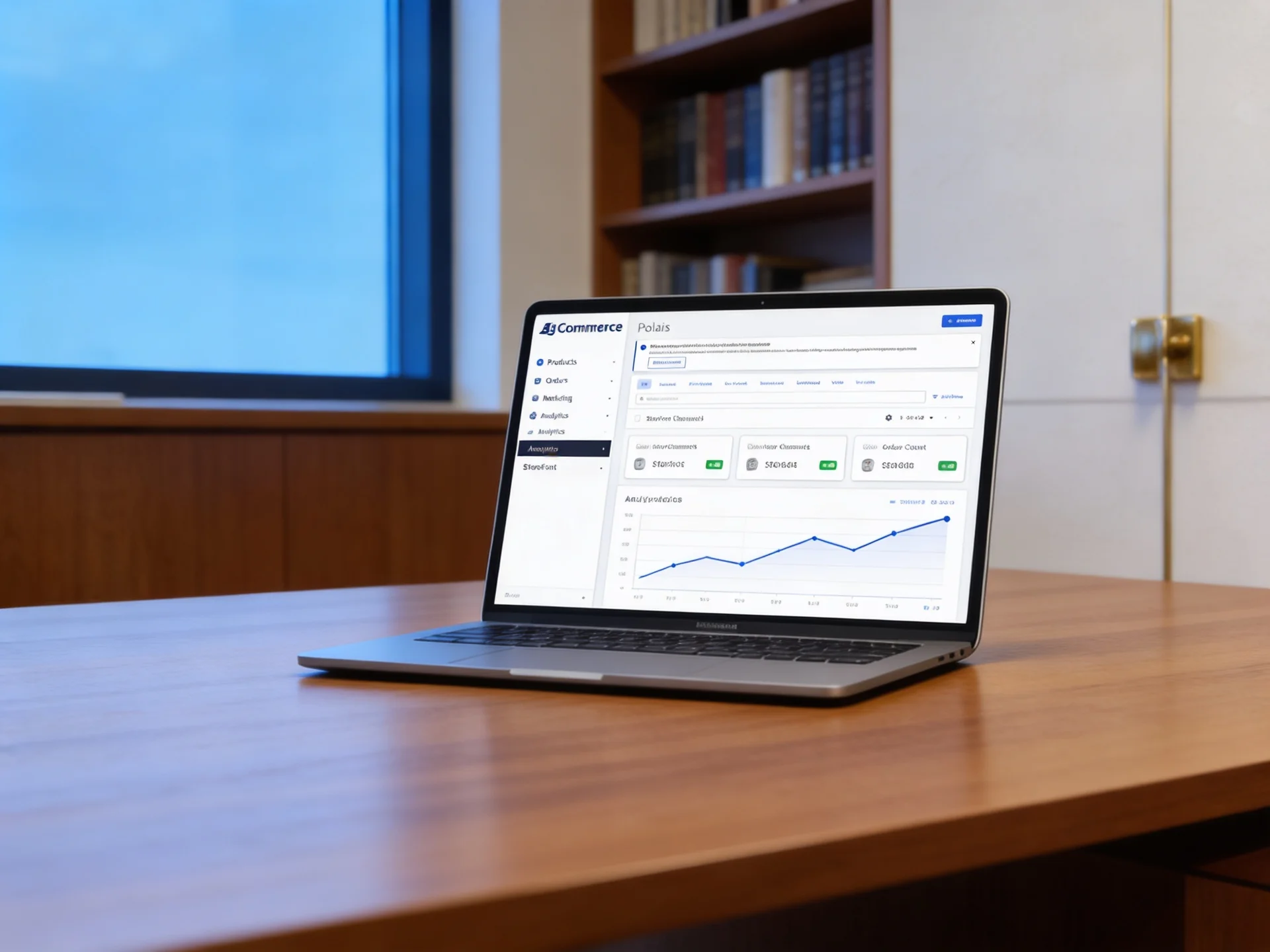
What Redefine builds on BigCommerce
Multi-Storefront Architecture
One BigCommerce account. Multiple brands, regions, or B2B channels. Shared catalog, individual storefront logic, unified reporting. Peekawhoo scaled to $30M on this model.
Explore Multi-StorefrontCore Web Vitals and Speed
Theme-layer script triage, image CDN, lazy loading. Lighthouse 90+ on mobile after every engagement.
See Speed ServicesCustom Stencil Theme Development
Brand-aligned Stencil builds with performance-first HTML and SCSS. No overloaded marketplace themes.
View Theme WorkPrivate and Public App Development
BigCommerce API-compliant private apps for custom workflows, pricing, and fulfillment logic the marketplace cannot provide.
View App WorkIntegrations and Connected Commerce
Redefine connects BigCommerce to the rest of your stack. ERP sync, CRM data flows, Klaviyo event triggers, Microsoft Dynamics 365 order bridges, and headless storefront APIs. Your platform talks to everything.
B2B Edition and Wholesale Portals
Company accounts, price lists, net-term checkout, and buyer portal config. B2B commerce on BigCommerce without the custom-build tax.
Why Redefine
Redefine versus a typical BigCommerce partner
| Capability | Typical Partner | Redefine |
|---|---|---|
| Multi-Storefront Config | Basic channel setup only | Full catalog, pricing, brand, and routing logic |
| Speed Optimization | Image compression only | Theme, script, app, and CDN layers: LCP target 1.8s |
| Custom App Development | Refers out or uses marketplace apps | Private apps built to API spec, tested, documented |
| ERP and CRM Integration | Connector app with limited field mapping | Custom API middleware: Dynamics 365, SAP, NetSuite |
| B2B Edition | Feature toggle only | Company accounts, price lists, buyer portal, and ERP
sync |
| Documentation and Handoff | Verbal walkthrough at best | Written developer docs + admin training on every
engagement |
Comparisons based on observed industry practice across BigCommerce engagements reviewed by Redefine clients.
Client Results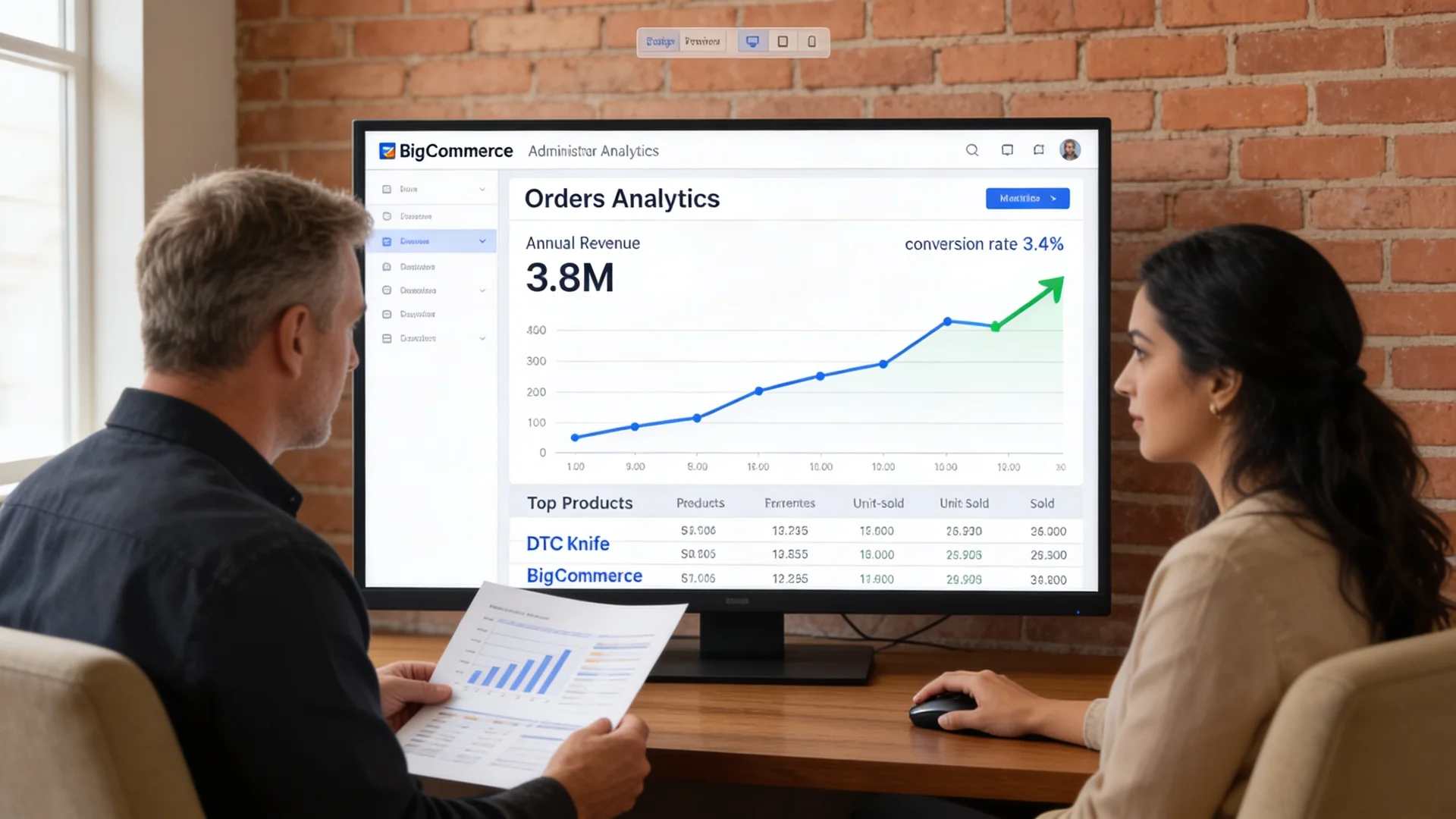
Revenue that proves the platform works
Client
Off Grid Knives
Premium
Outdoor Knives · DTCPremium manufacturer of camping and outdoor knives. High-AOV DTC model with advertising restrictions that forced reliance on organic and owned channels.
Challenge
The existing BigCommerce store had performance limitations, fragmented UX, and order processing gaps. Growth depended entirely on owned channels like email and organic search because paid advertising was restricted for knife sales. The platform was not optimized for organic conversion.
Result
$3.8M
Annual revenue reached $3.8M, up from $1M over three years. Custom BigCommerce development, Klaviyo lifecycle flows, and SEO tuning across the platform layer drove the growth. No paid acquisition.
$30M+
Revenue scaled by Peekawhoo
35%
Pageview increase for Lizzy's Fresh Coffee
$15M+
Revenue driven for CCTV Security Pros
40+
BigCommerce projects completed
Common Questions
Questions about BigCommerce platform capabilities
Platform work
means using BigCommerce's native architecture (multi-storefront channels, Stencil theme engine, app API,
B2B Edition, and checkout SDK) rather than fighting the platform with heavy customization. Standard
development agencies often bolt third-party code on top of a standard install. Platform-native builds
perform better, stay stable through version updates, and are easier to hand off.
BigCommerce's
multi-storefront feature allows up to nine storefronts per account on Enterprise plans. Each storefront
can have its own domain, theme, pricing, and catalog segment. The number that makes business sense
depends on your brand architecture and catalog overlap. Redefine designs the channel structure before
implementation so the operational model is right before any code is written.
Most speed
engagements run two to four weeks. Week one covers the audit: Lighthouse baseline, LCP root cause,
script payload analysis, and app impact assessment. Weeks two through four implement the fixes:
theme-layer cleanup, image optimization with CDN, script deferral, and lazy loading. Lighthouse scores
typically improve 25 to 40 points on mobile within the engagement. Your team contributes three to four
hours across the whole sprint.
Yes. Redefine
builds private BigCommerce apps using the platform's REST and GraphQL APIs to connect with enterprise
resource planning systems including Microsoft Dynamics 365, SAP Business One, and NetSuite. The app
handles order sync, inventory updates, customer data flows, and pricing rules. All apps are tested
against the BigCommerce API changelog so they stay stable through platform updates, and they ship with
developer documentation your team can maintain.
B2B Edition
includes company accounts with buyer roles, custom price lists per account, net-term checkout,
quote-request workflows, and the Buyer Portal. It is worth the plan upgrade if you have multiple
business buyers, complex pricing tiers, or approval workflows. The feature set replaces what previously
required three or four separate apps. Redefine configures the accounts model, price list logic, and
buyer portal to match your actual wholesale operation, not a generic install.
Get a Scoped Platform Proposal
Tell us what your platform needs to do
Submit your brief and get a scoped proposal in 3 days. No commitment, no pitch deck, no sales call unless you want one.
Your team's time investment across a full platform build is typically 3 to 4 hours per week: sprint reviews, async feedback, and quality assurance sign-off. Redefine handles the implementation, documentation, and testing.
Call within 48 hours
Proposal in 3 days
40+ BigCommerce projects
You own the code
Call within 48 hours · Proposal in 3 days · Sprint 1 within 1 week of sign-off
Brief received
We will review your platform situation and send a scoped proposal within 3 business days.
Ready to build
Your BigCommerce platform, built to perform
Multi-storefront architecture, custom apps, performance-first themes, and enterprise resource planning integrations. Scoped before work starts. Line-item pricing. No commitment to receive a proposal.