Integration Assessment
Get a Clear Integration Assessment Before You Connect a Single System
You see exactly which systems are ready, where the data breaks, and what the connected version costs, before any developer touches your stack.
Submit your systems brief call within 48 hours scored assessment in 5 business days roadmap call within a week
0
Systems projects delivered
0
From brief to scored findings
0
Records unified in one client build
Integration · systems lead at the architecture wall Operations lead reading a live integration map, daylight, three quarter rear angle, wide crop, 1440 × 810.
Operations lead reading a live integration map, daylight, three quarter rear angle, wide crop, 1440 × 810.The Cost Of Guessing
Most integrations fail in the planning, not the code
A proper integration evaluation finds the broken assumptions early, so your team stops paying for surprises mid build.
Scope discovered mid build
A field that does not match, an order that arrives twice, a system with no clean export. Each one resets the timeline.
Data that quietly drifts
Duplicate entries and manual rekeying spread across tools, so no one trusts the numbers when it matters.
A budget with no floor
Without a system integration assessment, the price is a hope. Every unknown becomes a change order later.
Every connection mapped
You hold a diagram of each system, each data flow, and each handoff before work begins.
Risks named, not hidden
The integration audit flags the weak points, the missing access, and the data you will need to clean first.
A price you can plan around
You receive a scoped plan with line by line effort, so the build cost is a number, not a guess.
Reconciliation · operations team before the assessment Operations team rekeying figures across tools, side angle, hands and screens in focus, 1040 × 640.
Operations team rekeying figures across tools, side angle, hands and screens in focus, 1040 × 640.The manual work is the symptom
When people copy data between systems by hand, the real problem is upstream. An integration readiness assessment traces that work back to the gap that created it, then shows you the connected version that removes it.
Integration Readiness Assessment
Score your own readiness in sixty seconds
These are the checks every integration audit runs first. Tap the ones that are true for your systems today.
Live readiness score
0%
Most teams land between forty and sixty percent. The integration assessment closes the gap before any build.
Get My Full AssessmentFive checks here. The full integration audit runs more than forty.
What You Walk Away With
A scoped plan you can build from, or hand to any team
The integration assessment is a deliverable, not a meeting. You own everything it produces.
A full system map
Every system, every data flow, and every handoff drawn out, so the whole stack fits on one page.
A risk and gap log
The system integration assessment lists each blocker, the data to clean, and the access you will need first.
A scoped build plan
Line by line effort with a sequence, so the build cost is a planned number rather than a moving target.
A readiness score
A clear grade on how prepared your systems are, with the exact steps that raise it.
A few real options
Direct connection, a middle layer, or a phased rollout, each with the trade you accept by choosing it.
Yours to keep
The findings are yours with no lock in. Build with us, build in house, or pause. You still own the plan.
How The Integration Audit Runs
From first call to scored plan in five business days
Four phases, mostly run by our team, with a light lift from yours.
Phase 1 · Day 1
Systems in scope
Order platformCaptured
Accounting systemCaptured
Warehouse toolListed
Phase 2 · Days 2 to 3
Access and data checks
Order platform accessClean
Customer field matchNeeds cleanup
Warehouse exportClean
Phase 3 · Day 4
Readiness scored
72%
Two cleanup tasks stand between this stack and a clean connected build. Both are scoped below.
Phase 4 · Day 5
Scoped build plan
Customer data cleanupSprint 1
Order to accounting syncSprint 2
Warehouse two way syncSprint 3
Method · analysts mapping system connections Analysts drawing data flows on a glass board, side three quarter angle, daylight, 1040 × 560.
Analysts drawing data flows on a glass board, side three quarter angle, daylight, 1040 × 560.Proof From The Field
How one distributor unified 8,000 plus records
The same evaluation discipline that finds your gaps mapped this build before a line was written.
Industrial Automation · Distribution
Pima Controls
A distributor of industrial automation and electrical products running a high volume, inventory heavy operation.
The problem. A legacy system forced duplicate data entry and manual work, with poor inventory tracking and no clear view across operations.
The fix. Core modules were unified and a customer relationship management system was integrated, with production routing linked straight to sales and purchase orders.
The result. Production delays fell, inventory accuracy rose, and the connected system now carries the full catalog with real time data capture.
0
Inventory items unified in one system
0
Source of truth, no more duplicate entry
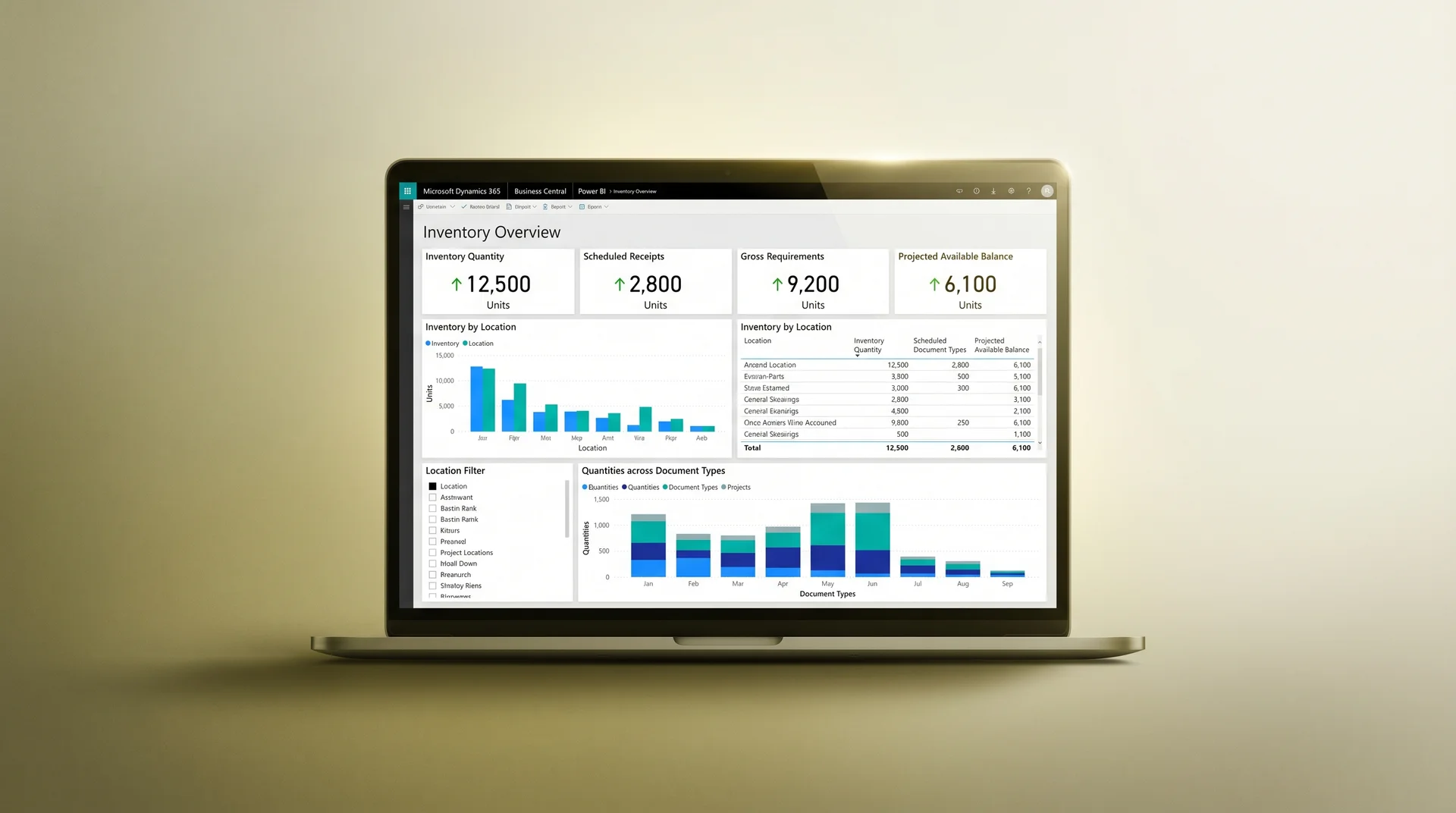 Connected inventory dashboard from the delivered build, browser chrome, isolated, 1040 × 600.
Why This Integration Consulting Is Different
A deliverable you own, not a sales call in disguise
Most integration consulting starts with a free scoping call built to win the build. You get a real assessment you keep either way.
The usual scoping call
- A loose estimate that moves the moment work starts.
- No written map and nothing you can hand to another team.
- Data and access risks surface late, as paid change orders.
- The findings only stay useful if you sign with that partner.
The Redefine integration audit
- A written map, a risk log, and a scoped plan, all delivered as documents.
- A readiness score, so you know exactly how prepared your systems are.
- Data and access tested up front, so the surprises happen now, not later.
- Yours to keep with no lock in. Build with us, in house, or pause.
This integration consulting engagement connects to the rest of your stack when you are ready: explore integration services, the deeper integration assessment audit, or platform specific work for Salesforce integration services and NetSuite integration services. For data heavy stacks, start with data integration services or api integration services.
Questions Buyers Ask
Integration assessment, answered plainly
An integration assessment is a short, scoped review of your systems. It maps how your tools connect, tests the data and access, scores readiness, and returns a line by line plan to build the connections you need.
Most run in five business days from the systems walkthrough to the scored findings. Your team spends two to three hours total across one walkthrough and a final review of the integration evaluation.
No. The integration audit is yours to keep with no lock in. You can build with our team, hand the plan to your own developers, or pause. The findings stay useful either way.
Read only access is enough for the system integration assessment. We sample data and confirm connection methods without changing anything in your live systems.
Yes. The integration readiness assessment handles older tools like Sage, QuickBooks, and legacy accounting systems as data sources, and the plan accounts for the cleanup each one needs.
Honest Fit Check
Whether the assessment is right for you
Good fit for you if
- Your team copies data between systems by hand and you want it to stop.
- You are planning a connection project and need a real budget before you commit.
- A past integration stalled and you want a clear, unbiased read on why.
Not a fit if
- You want a single quick connector built today with no review of the wider stack.
- No one on your side can give read only access or join one short walkthrough.
- You only have one system and nothing to connect it to yet.
Not sure where you land? Tell us your situation and we will be straight with you.
Request Your Assessment
Tell us about your systems
Scoped before work starts. Line by line pricing. No commitment to receive the plan.
What are you trying to connect?
Call within 48 hours · scored assessment in 5 business days · roadmap review within a week
Brief received
We will review your systems and send a scoped integration assessment plan within five business days.
48 hour reply
A real person, fast
5 day turnaround
Brief to scored plan
100 plus builds
Systems delivered
You own it
No lock in, ever
Start With Clarity
Know your stack before you connect it
One short integration assessment turns a risky build into a planned one. Walk away with the map, the score, and the plan.
No commitment. No pitch. Just a clear read on your systems.